Joyloop Bubble Shooter Guide: Timing Windows, Cleaner Angles, and Better Short-Session Play
Quick Answer
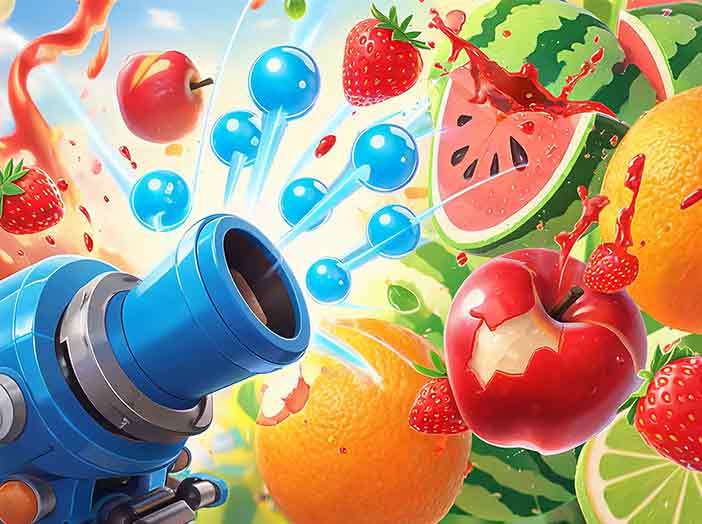
Joyloop Bubble Shooter is easy to start because the main action is familiar: aim, release, and use color matches to clear space. The better way to play, however, is not to treat every shot as a quick reaction. A cleaner session comes from reading the lane, waiting for the right release window, and choosing shots that make the next move easier.
The most useful question is not only, “Can I hit this color?” A better question is:
“Will this shot make the board easier after it lands?”
That single question changes the game from a simple tapping habit into a short-session puzzle about timing, angle control, and board pressure.
What Makes Joyloop Bubble Shooter Worth Reading Differently
Many bubble shooter guides describe the genre in broad terms: aim at matching colors, clear groups, and avoid letting the board fill up. That advice is correct, but it is not enough for a player who wants a cleaner session on Joyloop.
Joyloop’s Bubble Shooter is best understood as a timing-and-lane puzzle. Matching colors still matters, but the shot is only useful when the route is readable and the release moment is safe. A tempting match can become a weak move if the lane is crowded, the angle is too narrow, or the shot leaves the lower board under pressure.
This guide therefore focuses on what a player can observe during normal play:
- whether the shot path is open;
- whether a bounce angle is actually necessary;
- whether waiting briefly improves the release;
- whether the shot creates space or only uses a turn;
- whether a miss would block an important future lane.
These observations make the guide more practical than a basic “how to play Bubble Shooter” page. The goal is not to make the game sound more serious than it is. Bubble Shooter is still a casual puzzle. The goal is to help players enjoy it with fewer rushed decisions and less frustration.
How This Guide Was Reviewed
This guide was written from an editorial play-analysis perspective. The review focused on short-session behavior: how a player reads a board, chooses between direct and angled shots, responds to a missed attempt, and decides when to stop or continue.
The analysis does not use personal player data, medical claims, cognitive-performance claims, gambling language, or financial claims. It is based on visible game patterns and general casual-game publishing standards: clear user benefit, practical explanation, safe wording, and honest expectations.
The Shot-Quality Triangle
This guide uses an original editorial framework called the shot-quality triangle. It is a simple way to judge a shot before releasing it.
| Shot factor | What to ask before shooting | Why it matters |
|---|---|---|
| Path | Is the route clear, or will the shot hit something unintended? | A good target is not useful if the bubble cannot reach it cleanly. |
| Timing | Is this a safe release moment? | Some shots fail because the player releases too early, not because the idea was wrong. |
| Purpose | Does this shot improve the board? | A useful shot should create space, reduce pressure, or prepare the next move. |
A shot that satisfies all three factors is usually stronger than a rushed attempt. This does not mean every shot will work perfectly. Bubble Shooter is still a casual game with changing board conditions. The triangle simply gives players a practical way to pause, observe, and make a cleaner decision.
The Cleaner Shot Checklist
Before launching, use this short checklist:
- Check the lane. Is there a clear route to the target?
- Check the bounce. If you are using a wall angle, will the bubble land where you expect?
- Check the match value. Does the target connect to a useful color group?
- Check the next move. Will this shot open space or prepare the next color?
- Check the risk. If the shot misses, will it block an important lane?
This checklist is not meant to slow the game down too much. It is meant to prevent the most common Bubble Shooter mistake: shooting because a match is visible, not because the match is useful.
Session Observation Matrix
The following matrix summarizes the main observations behind this guide. It is not a promise of results or a scoring system. It is a player-useful way to notice what makes a session feel cleaner.
| Observation area | What the editor looked for | Player-useful takeaway |
|---|---|---|
| Lane clarity | Whether a shot has a clean direct path or needs a wall angle | Prefer direct shots when they solve the same board problem with less risk. |
| Timing window | Whether a brief pause makes the release safer | Wait before narrow-angle shots, crowded lanes, or moving-pressure moments. |
| Board pressure | Whether bubbles are building toward the lower area | Clear pressure before chasing decorative top clears. |
| Setup value | Whether a shot helps the next color or opens a future lane | A quiet setup shot can be better than a small immediate clear. |
| Miss recovery | What changes after a failed shot | Stop and re-read the new board instead of firing a fast correction. |
| Session fit | Whether the game matches the player’s current mood and time | Use Bubble Shooter for active short breaks, not when you want a very slow puzzle. |
Path: Why a Clear Route Matters
The path is the first part of a good Bubble Shooter decision. A target may look perfect, but if the route is blocked, the shot is not really available.
Start by looking for direct lanes. A direct lane is usually easier to judge than a bounce shot. If a direct lane is open and the target helps the board, it may be the safest option. But do not ignore bounce shots completely. A wall angle can reach groups that are blocked from the center.
The key is to avoid guessing. If the angle is too narrow or the bounce is hard to read, choose a setup shot instead. A setup shot may not clear a large group immediately, but it can open a better lane for the next move.
A useful path question is:
“Where will this bubble sit if it does not clear?”
If the missed bubble would land in a harmless place, the risk is lower. If it would block the only open lane, the risk is higher.
Timing: Why Waiting Can Be the Better Move
Timing matters because the best shot is not always available at the first moment you notice it. Some players shoot as soon as the launcher points near the target. That can work in simple areas, but it becomes risky when the board is tight or the shot depends on a small gap.
Waiting does not mean doing nothing. Waiting means reading the board. You are checking whether the target is still safe, whether the path is still clear, and whether the next color changes the value of the shot.
In a calm board position, timing may be simple. In a crowded board, timing becomes more important. A rushed release can turn a good plan into a blocked lane. A slightly delayed release can make the same idea cleaner.
A practical timing habit is to pause before high-risk shots. If the shot depends on a narrow angle, a bounce, or a small opening, take one extra moment. If the target still looks useful after that pause, it is probably a stronger decision.
Purpose: Every Shot Should Help the Board
Purpose is the part of Bubble Shooter that many players overlook. A shot can be accurate and still not be the best choice. If it clears a tiny group but leaves the board harder, it may not be a strong shot.
A purposeful shot does at least one of these things:
- opens a lane;
- clears pressure near the lower board;
- connects to a larger future clear;
- sets up the next color;
- keeps an important route open;
- reduces the need for risky bounce shots later.
This does not mean every shot must be dramatic. Small clears can be valuable when they create room. A quiet setup shot can be valuable when it makes the next move safer. The goal is not to make every move look impressive. The goal is to make the board easier to manage.
Common Bubble Shooter Mistakes
Mistake 1: Choosing the nearest match automatically.
Nearby matches feel convenient, but they may not change the board in a meaningful way. Before taking the easy match, check whether another target opens a larger section.
Mistake 2: Treating bounce shots as always better.
Bounce shots are useful, but they should have a reason. If a direct shot can create the same result with less risk, choose the direct shot.
Mistake 3: Ignoring the next bubble color.
The current bubble matters, but the next bubble can change the plan. A shot that looks average now may become useful if it prepares a group for the next color.
Mistake 4: Playing faster after a miss.
This is natural, but it often makes the board worse. When a shot misses, the board has changed. The next move should respond to the new board, not to the frustration of the last shot.
Beginner Tips for Cleaner Sessions
For a beginner, the best goal is not to play perfectly. The better goal is to make fewer rushed shots.
Start with visible groups. Choose targets you can reach clearly. Do not force difficult wall angles unless they solve a real problem. When you see multiple possible clears, choose the one that opens space or reduces pressure.
Watch the lower part of the board carefully. In many Bubble Shooter layouts, pressure becomes more serious when bubbles build downward. Clearing near the top may look satisfying, but clearing lower pressure can sometimes be more useful.
Use setup shots when the best target is not open. A setup shot places a bubble where it can help a future match. This can feel less exciting than an immediate clear, but it often creates better rhythm.
Most importantly, stop after a mistake and read the board again. A miss is not only a failed shot. It is new information about the angle, path, and risk.
A Simple Three-Level Shot Rating
Here is a practical way to rate your own shots during a session:
| Rating | Description | Example |
|---|---|---|
| Clean shot | Clear path, safe timing, useful purpose | Opens a lane, clears pressure, or prepares the next move. |
| Neutral shot | Safe but limited value | Clears a small group without making the board much easier. |
| Risky shot | Unclear path or weak purpose | May block a lane, depend on a narrow bounce, or solve no real problem. |
This rating system is not a score promise. It is only a thinking tool. The value is in the pause before the shot. When you learn to identify risky shots earlier, the game becomes easier to read and more enjoyable to play.
Who Will Enjoy Joyloop Bubble Shooter Most?
Joyloop Bubble Shooter fits players who want quick rounds, visible feedback, and more motion than a quiet logic puzzle. It is a good option for short breaks because the basic rules are easy to understand and each attempt gives immediate feedback.
It may be less suitable for someone who wants a very calm puzzle experience with no timing pressure. It may also be less suitable for players who prefer long story progression, complex character systems, or competitive multiplayer formats.
For casual players, Bubble Shooter works best as a light entertainment session. You can play one quick round, practice cleaner timing, and stop without needing a large time commitment.
Responsible Play and Family Context
Bubble Shooter is best enjoyed as casual entertainment. Take breaks when needed, especially if you feel tired or frustrated. If a level stops being fun, it is fine to pause and return later.
Players should not treat any in-game result as a real-world reward, guaranteed outcome, personal evaluation, health tool, or financial opportunity. The purpose of the game is entertainment.
What This Guide Does Not Claim
This guide is written carefully because casual game pages should not overstate what a game can do. Joyloop Bubble Shooter may feel active, focused, and satisfying, but this article does not claim that playing it will improve intelligence, memory, attention, health, income, school performance, workplace performance, or real-world decision-making.
This guide also does not describe gambling, betting, cash prizes, sweepstakes, real-money rewards, or guaranteed outcomes. Any points, stars, levels, tools, boosters, or in-game rewards should be understood only as entertainment features inside the game experience.
FAQ
Is Joyloop Bubble Shooter a skill game or a casual puzzle?
It is best described as a casual puzzle with timing and aiming elements. It can reward observation during play, but it should not be presented as a guaranteed skill-training tool or a test of real-world ability.
What is the best first move in Bubble Shooter?
A strong first move is usually one that opens space or creates a better second move. Instead of choosing only the nearest match, look for a shot that gives the board more room.
Should I shoot quickly or wait?
Quick shots can work when the path is obvious and the target is useful. When the board is crowded, waiting briefly can help you avoid blocking an important lane.
Are bounce shots always better?
No. Bounce shots can reach hidden groups, but they also add risk. Use them when they solve a real board problem, not only because they look clever.
Why do some shots fail even when the aim looks close?
A shot can fail because the path is blocked, the timing is slightly off, or the target does not connect as expected. The best response is to read the new board before shooting again.
Is Bubble Shooter good for short breaks?
Yes, Bubble Shooter can fit short breaks because the rules are easy to understand and rounds give fast feedback. It should still be played as entertainment, with breaks when needed.
Can Bubble Shooter help me earn rewards or money?
No. This guide does not describe Bubble Shooter as a way to earn money, prizes, or real-world rewards. Any in-game progress or scoring should be understood as part of the entertainment experience only.
Final Takeaway
Joyloop Bubble Shooter is at its best when every shot feels like a small timing choice. Aim matters, but rhythm matters too. A cleaner session comes from watching the board, choosing a clear path, waiting for a safer release, and making sure each shot has a purpose.
This page is written as a player-first casual game guide. It avoids claims about money, prizes, gambling outcomes, health effects, or guaranteed personal improvement. It is designed to help readers understand the game experience, not to pressure them into playing or clicking ads.
 Play Now